
As an Amazon Associate, we earn from qualifying purchases. This post may contain affiliate links.
By Luis Gustavo. See how we research and review our content.
Some clean homes still carry a strange, hard-to-place smell that’s even harder to get rid of — a background note the people living there stop noticing, but any guest picks up the moment they walk through the door. Most of the time, that smell doesn’t come from visible dirt at all, but from hidden sources routine cleaning never really reaches: drains, appliances, fabrics, and even moisture trapped in the walls. Understanding where a bad smell actually comes from is the first step to eliminating it for good, instead of just covering it up temporarily with air freshener.
What usually causes household odors
Bathroom and kitchen sink drains are one of the most common and most overlooked sources: hair, grease, and soap residue build up into a layer of biofilm inside the pipes, where bacteria produce sulfur compounds that smell like rotten eggs, a problem running water alone never removes. The refrigerator also tends to become an odor source without anyone realizing it, whether from something forgotten in the back or from the lack of a carbon filter to absorb the gases released by slowly decaying fruit and vegetables. Carpets, upholstery, and curtains act like odor sponges: they soak up moisture, sweat, smoke, and pet smells over months, then slowly release that buildup back into the air, which explains why a couch can smell off even without a single visible stain. Laundry left inside the washing machine too long after the cycle ends, still damp, also develops a distinctive musty smell within hours, since a closed, humid space is ideal for fungal growth.
How bad smells affect how a home feels and the wellbeing of the people in it
Smell has a direct, fast link to how comfortable a space feels — an unpleasant odor makes a home seem “dirty” or “neglected” even when it’s physically clean, which can be embarrassing when guests show up unannounced. In cases tied to mold and excess humidity, the characteristic smell can contribute to airway irritation and discomfort for people sensitive to fungi, especially in closed, poorly ventilated rooms over long periods. Constant exposure to a bad smell at home also has a less obvious psychological effect: the brain tends to almost automatically link the home environment with discomfort, which can contribute to a lingering sense that the house “doesn’t feel restful,” even when the person can’t quite explain why. Pets suffer indirectly too, since poorly ventilated spaces tend to concentrate both their own smell and other odor sources, creating a mixed smell that’s harder to identify and fix in isolation.
Where the smell that keeps coming back after cleaning actually hides
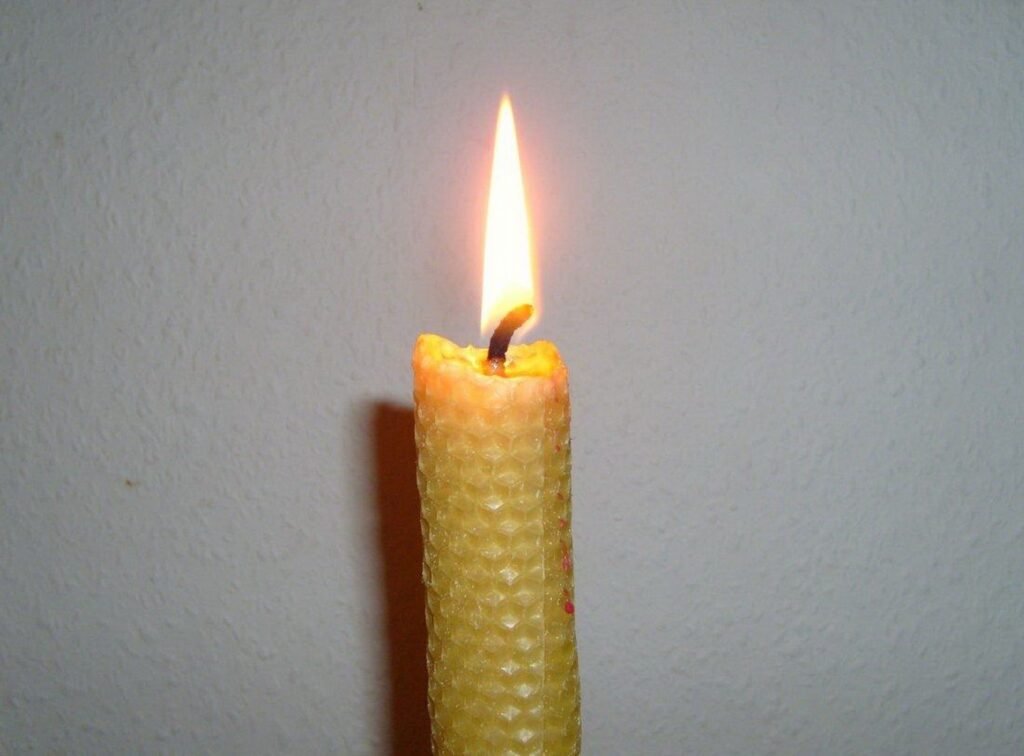
A common mistake is cleaning only the visible surface of a drain without physically removing the deeper biofilm — running detergent through the sink solves the smell for a few hours, but the bacteria actually producing the odor stay lodged further down, inside the trap. Using air freshener or a scented candle to cover a smell whose source was never eliminated also tends to make the problem feel worse over time, since the mix of the original smell and the artificial fragrance creates an even stranger, harder-to-place odor. Washing carpets and upholstery only on the surface, without letting them dry completely before using them again, is another habit that reintroduces moisture into exactly the material that absorbs odor most, creating a cycle where “cleaning” actually makes the problem worse over the medium term. Storing organic trash inside the home for more than a day, even in a sealed bag, also releases decomposition gases that seep into nearby fabrics and furniture before the trash itself starts to smell noticeably bad.
How to eliminate bad smells for good, not just mask them
The first step is always eliminating the source, not covering it up: cleaning drains regularly with a mix of baking soda and vinegar, followed by hot water, helps remove the biofilm regular dish soap never reaches, and repeating that process weekly keeps the problem from coming back. Keeping rooms ventilated, opening windows for at least a few minutes a day even in winter, refreshes the air and cuts down the moisture that feeds musty smells in corners and closets. An air purifier with an activated carbon filter helps actually capture the particles responsible for the odor instead of just perfuming the room, a practical option for anyone who has already eliminated the main sources but still notices a lingering smell in the air, and activated charcoal bags inside closets and shoe cabinets serve a similar purpose in smaller enclosed spaces. Washing fabrics like curtains and upholstery covers periodically, and drying them fully in the sun whenever possible, also cuts down a lot on long-term odor buildup in those materials.
Anyone dealing with a musty smell specifically will likely relate to our article on mold and humidity, since many of the causes overlap, and it’s worth checking out our guide to the best air purifier too, for anyone who has already eliminated the source but still wants better indoor air quality.
Recommended products
Electric Air Purifier with Activated Carbon Filter — actually captures the particles responsible for the odor instead of just perfuming the room temporarily.
Bamboo Activated Charcoal Odor Absorber Bags — a practical pick for closets, shoe cabinets, and other small enclosed spaces.
Disclosure: this is our tracked affiliate link.
Does your home have a smell that keeps coming back even after cleaning? Save this article and start with the drains before investing in any new product.