
As an Amazon Associate, we earn from qualifying purchases. This post may contain affiliate links.
By Luis Gustavo. See how we research and review our content.
A scratching sound inside a wall late at night, a gnawed corner on a cereal box in the pantry, or a handful of dark droppings near the stove are usually the first clues that mice or rats have moved in. Unlike pests that stay hidden in one fixed spot, rodents travel at night along set routes between the wall cavity and the kitchen, and they multiply fast once food and shelter are within easy reach. In neighborhoods with older housing stock, and especially once the weather starts cooling down, this kind of infestation becomes far more common, since the animals are actively looking for warmth and cover inside a structure.
Why mice and rats move indoors in the first place
A house mouse can squeeze through an opening about the size of a dime, and a rat can flatten itself through a gap not much wider than a quarter — which is why gaps under doors, loose pipe fittings, roof vents, and hairline cracks in the foundation work as an entry point even in homes that look well sealed from the outside. The main draw is accessible food: pet food left out overnight, a trash can without a tight lid, fruit on the counter, or crumbs behind the stove give a pair of rodents enough to establish a colony within a few months. Piles of cardboard, fabric scraps, or clutter in garages and attics also work as nesting material, giving rodents a safe, undisturbed place to breed. And as mentioned, colder weather pushes populations that lived outdoors for most of the year into wall cavities, ceilings, and crawl spaces, since those spots hold a far more stable temperature than the yard does.
What a rodent infestation actually puts at risk
Mice and rats gnaw constantly to wear down their front teeth, and electrical wiring inside walls and attics is one of their most common targets — a wire stripped by rodents can cause a short circuit and, in more serious cases, is considered a contributing factor in residential fires, which makes this damage go well beyond anything cosmetic. Contamination is another real concern: rodents leave droppings and urine along the paths they travel, including over countertops, pantry shelves, and food packaging, which can contribute to bacterial buildup on kitchen surfaces. On the health side, exposure to rodent droppings, urine, or dander can contribute to respiratory irritation and is linked to diseases such as leptospirosis and hantavirus, particularly in closed, poorly ventilated spaces. There’s also a less-discussed cost: knowing animals are moving inside the walls at night takes a toll on sleep and on how safe a home feels, something many people only notice once the infestation has already dragged on for weeks.
Mistakes that make a rodent problem harder to solve
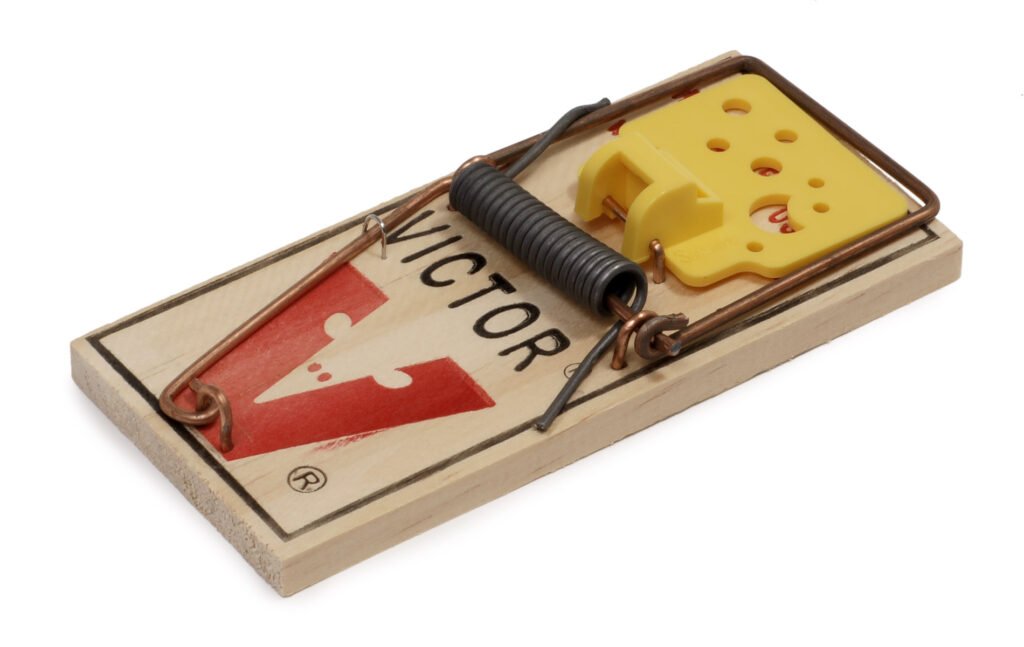
A common mistake is relying only on an ultrasonic repellent or a single trap type without first sealing entry points, which lets new rodents keep arriving from outside while the ones already indoors simply adjust to the noise over time. Another misstep is placing traps in the open middle of a room: rodents travel hugging walls, so bait stations and traps work far better set along baseboards and corners, right on the routes the animals actually use. Poison bait also deserves caution, since a poisoned rodent often dies inside a wall cavity or ceiling void, producing a bad smell for days and requiring removal that isn’t always easy to locate. And catching one rodent doesn’t mean the problem is solved — because rodents reproduce quickly, a whole colony is often still active even after that first catch, which leads a lot of people to wrongly assume the infestation wrapped up early.
How to keep mice and rats out for good
The first step is physically sealing any gap wider than a pinky finger, using steel wool, metal mesh, or reinforced expanding foam around pipes, wiring, and baseboards — soft materials like plain foam alone won’t stop rodents from chewing straight through. Cutting off food access matters just as much: storing pet food in a sealed container, keeping the trash can tightly lidded, and not leaving dirty dishes out overnight remove the main reason rodents were drawn inside in the first place. Humane catch-and-release traps placed against walls where droppings or gnaw marks show up, paired with an ultrasonic repellent to reinforce deterrence in hard-to-reach spots, tend to work well for infestations caught early. If the noise keeps going after a few weeks of effort, or if there are signs of a larger colony — droppings in multiple rooms, chewed wiring in more than one spot — it’s worth bringing in a licensed pest control company to assess the scope before wiring and structural damage add up. Anyone who has already dealt with termites eating away at a home’s structure knows that acting early is far cheaper than repairing the damage later, and the same logic of sealing gaps and cutting off food applies to cockroaches getting into the house, since a lot of household pest prevention overlaps.
Recommended Products
Ultrasonic Rodent Repellent — reinforces deterrence in hard-to-reach spots like behind appliances and inside pantries.
Humane Mouse Trap Catch and Release — lets you catch and release rodents away from the house, with no poison and no risk of a bad smell inside the walls.
Disclosure: this is our tracked affiliate link.
Have you heard suspicious noises inside your walls or found signs of rodents at home? Save this article and start by sealing the gaps before the colony grows.