
As an Amazon Associate, we earn from qualifying purchases. This post may contain affiliate links.
By Luis Gustavo. See how we research and review our content.
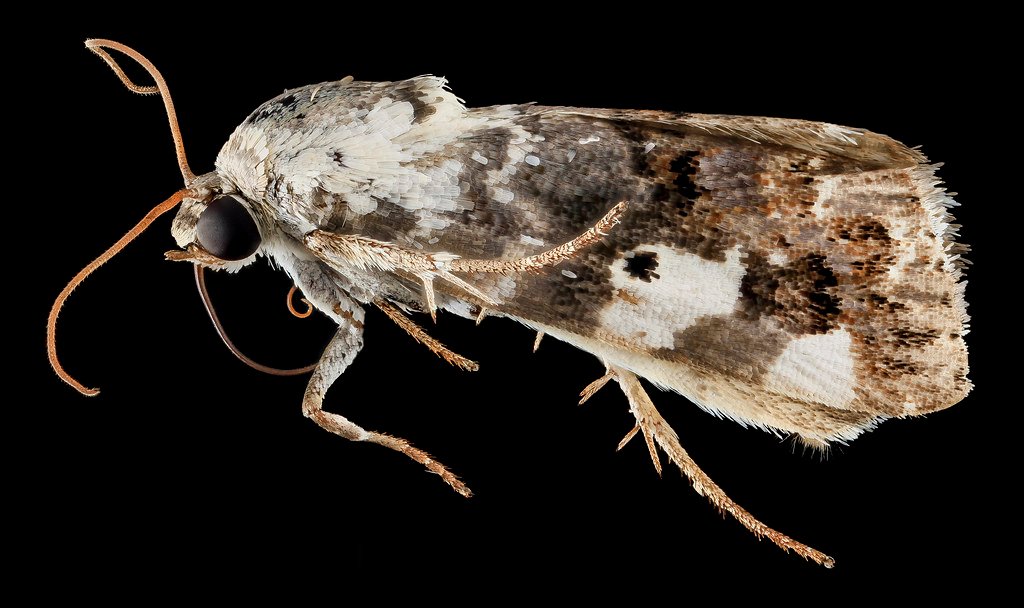
That wool sweater you stored all winter, pulled out of the closet covered in irregular little holes, wasn’t damaged by the moth itself — the small gray insect you sometimes see fluttering near a lamp — but by its larvae, which spent months feeding in hiding without anyone noticing. Understanding that difference changes how you actually deal with the problem, and explains why traditional fixes like mothballs alone so often fall short.
What actually causes clothes moth damage
The common clothes moth (Tineola bisselliella) only attacks animal-based fibers — wool, silk, fur, feathers, and leather — because its larvae feed on keratin, the protein found in those materials, something synthetic fibers like polyester simply don’t provide. That’s why fully synthetic garments are almost never attacked, unless they’re blended with natural fibers or stained with sweat, food, or other organic residue that also serves as food. The ideal breeding environment is dark, warm, and has little air circulation — exactly the conditions inside a closed closet or a drawer of winter clothes stored away for months at a time. An adult female lays dozens of tiny eggs, nearly invisible to the naked eye, directly onto the fabric, and avoids strong light both while laying eggs and as an adult, which is part of why an infestation so often goes unnoticed for a long time. A single female can lay between 40 and 50 eggs over her lifetime, which hatch within days under favorable room temperature, starting a new generation of larvae before the first batch has even finished feeding.
How the problem builds up without anyone noticing
The clothes moth’s life cycle, from egg to adult, can take anywhere from a few weeks to several months depending on temperature and humidity, and the damage actually happens during the larval stage — the adult moth doesn’t feed on fabric at all, it only reproduces. Since larvae avoid light and hide in folds, pockets, and the corners of drawers, an infested garment can sit stored for months with no visible sign, until it comes out the following season covered in scattered holes, fine silk-like webbing, or small dark grains (larval droppings) on the fabric. Because eggs are laid in small scattered clusters, a single female can compromise several garments stored close together before anyone catches the problem.
What tends to make an active infestation worse
Storing a garment that’s dirty or has sweat stains, assuming “it won’t matter since it’ll be closed up anyway,” is a common mistake — in practice, that organic residue makes the fabric even more attractive for a female to lay eggs on. Relying only on mothballs (camphor or naphthalene) also tends to disappoint: the product works as a repellent when concentrated in an enclosed space, but it doesn’t kill eggs or larvae already present in the fabric, and many people use fewer mothballs than the package recommends, never reaching the concentration needed to actually work. Another mistake is cleaning only the visible clothing and ignoring corners, baseboards, and the bottom of closets and chests, where eggs and larvae hide and keep the cycle going even after the already-damaged pieces are washed. Vacuuming those hidden spots thoroughly, not just wiping the visible surface, is what actually removes eggs stuck in seams and corners. And hanging a damaged garment back up without isolating or treating it lets a small infestation keep spreading to nearby clothes in the same closet.
How to protect your closet from clothes moths more effectively
The first step is washing or dry-cleaning all wool, silk, or fur garments before storing them for long periods, since the heat from ironing and washing kills any eggs or larvae already present — never store a dirty item “to wash later.” Storing your most valuable pieces in sealed bags or airtight containers, ideally vacuum-sealed, creates a physical barrier that keeps adult females from reaching the fabric to lay new eggs. A cedar or lavender sachet inside the closet works as a natural repellent for adults, but — like mothballs — it’s no substitute for properly cleaning garments first. To monitor whether an active infestation is still present and catch the problem before it spreads, a pheromone trap attracts adult males using a synthetic sex attractant, working both as an early warning system and as a way to reduce reproduction by interrupting mating for part of the population. Checking stored boxes and garment bags every few months, even with no visible sign of trouble, also helps catch a problem early, before it spreads to other pieces stored in the same space.
Anyone dealing with household pests in general may also want to check our article on cockroaches at home: causes and how to get rid of them, since a lot of the cleaning and prevention advice overlaps.
If this topic interests you, it’s worth checking out our piece on static electricity at home.
Recommended Products
Clothes Moth Pheromone Traps — helps monitor and reduce the adult moth population in your closet.
Cedar Blocks for Closets — a natural repellent to keep alongside your most delicate garments.
Disclosure: this is our tracked affiliate link.
Have you ever opened your closet and found a favorite piece covered in little holes? Save this article before the next season change.