
As an Amazon Associate, we earn from qualifying purchases. This post may contain affiliate links.
By Luis Gustavo. See how we research and review our content.
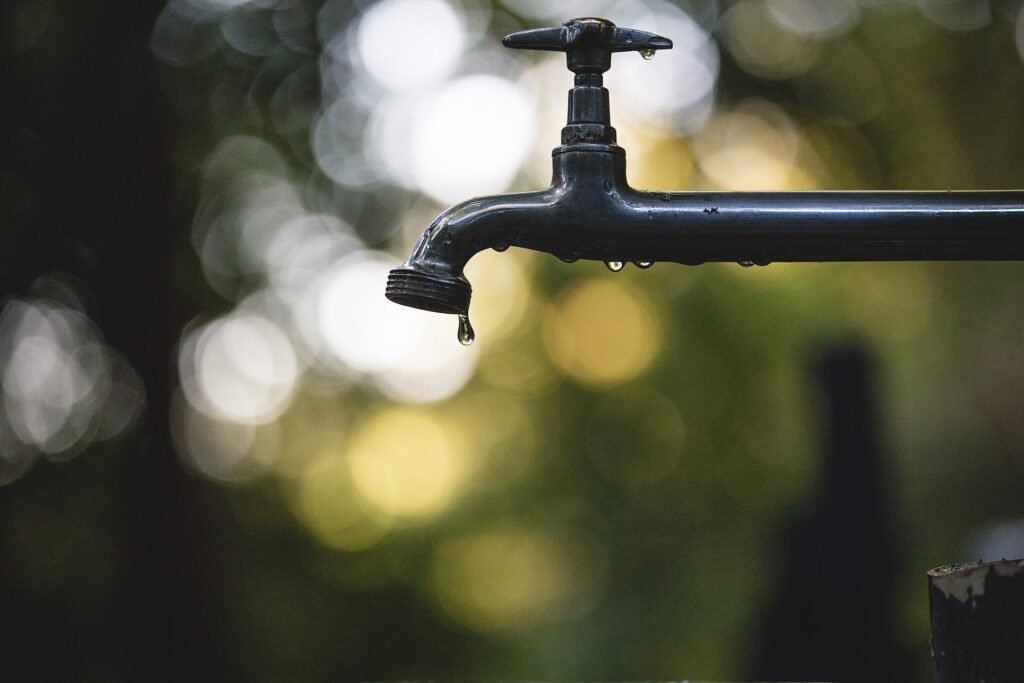
The sound of a dripping faucet in the middle of the night usually gets treated as a small annoyance, easy to ignore for weeks or even months, until the water bill comes in higher than expected. The problem is that this “small” leak almost never stops on its own — it tends to get worse over time, because the internal part meant to seal off the water flow keeps wearing down with every use. Understanding why a faucet starts dripping in the first place makes it easier to pick the right fix before the wasted water and the annoying noise pile up for far longer than they need to.
What makes a faucet start dripping
The most common cause of a dripping faucet is wear on a small internal sealing part, usually a rubber O-ring or washer, which loses its flexibility and its ability to fully block the water flow after thousands of cycles of opening and closing. In older faucets with traditional compression systems, wear on the valve seat (the metal surface the washer presses against) is also a frequent cause, especially when the faucet gets shut off with excessive force over and over. Very high water pressure in the pipes, mineral buildup in hard-water areas, and even a fitting nut that has loosened over time can also make a faucet drip even when the washer itself is still in decent shape.
How much water (and money) a small leak actually wastes
A leak that looks insignificant has a much bigger cumulative impact than most people assume. A faucet dripping at a rate of once per second can waste more than 3,000 gallons of water a year, according to estimates from water conservation agencies — enough to fill more than 180 bathtubs. Beyond the direct hit to the water bill, that ongoing waste also means unnecessary consumption of a resource that’s becoming scarcer in many regions, making a quick fix for a dripping faucet one of the home repairs with the best return for the effort it takes.
Other effects of leaving the leak unfixed
Beyond wasted water, constant dripping tends to leave visible mineral or rust stains on porcelain or stainless steel sinks, especially in areas with harder water, since the dissolved minerals keep depositing in the exact same spot over and over. The constant moisture under the faucet or around the drain can also encourage mold growth and musty odors, particularly in sinks with poor ventilation. In cases of heavier or longer-lasting leaks, the dripping water can even damage the finish of a wooden vanity or the surrounding caulking, opening the door to bigger water damage inside the cabinet.
Common mistakes people make trying to fix it themselves
A frequent mistake is cranking the faucet handle shut with more and more force trying to “force” the drip to stop, which in practice only speeds up wear on the valve seat and the handle mechanism itself. Another common error is ignoring the drip because it seems insignificant, without realizing that wear on the internal seal tends to get worse over time, turning a simple drip into a steady trickle. Trying to replace the washer without first shutting off the water supply line to that faucet is also a mistake that can turn into a much bigger leak mid-repair, along with the risk of water spraying out under pressure the moment the faucet is reopened.
How to fix the leak in most cases
Before anything else, shut off the water supply valve feeding that specific faucet (usually located under the sink) to safely stop the flow before taking any parts apart. With the water off at the source, the most common repair involves removing the handle, accessing the internal mechanism, and swapping the worn washer or O-ring for a new one of matching size, a job a universal faucet repair kit can cover for most residential models. After reinstalling the parts, it’s worth turning the faucet on and off a few times before fully reopening the main valve, checking that the leak has actually stopped and that no new drip has shown up at any of the connections that were handled.
When it’s worth calling a plumber
If the leak keeps happening even after replacing the washer, if the faucet is a specific model without easy-to-find replacement parts, or if there are signs of a leak inside the wall (damp patches, a persistent musty smell, or a noticeable drop in water pressure), it’s worth calling a plumber to take a closer look at the plumbing, since those signs can point to a bigger problem than simple washer wear. Anyone dealing with home maintenance might also like our articles on clogged drains at home and hard water at home, two topics tied to plumbing upkeep and the quality of the water reaching the faucet.
Recommended products
Universal Faucet Repair Kit (Washers and O-Rings) — includes washers and O-rings in multiple sizes, covering most residential faucet models when it’s time to replace the worn part causing the leak.
Adjustable Faucet and Pipe Wrench Set — makes it easier to loosen and retighten faucet fittings without stripping them, useful for the full repair job described above.
Disclosure: this is our tracked affiliate link.
Is your faucet dripping right now? Share this article with anyone else who’s been putting off that fix for way too long.