
As an Amazon Associate, we earn from qualifying purchases. This post may contain affiliate links.
By Luis Gustavo. See how we research and review our content.
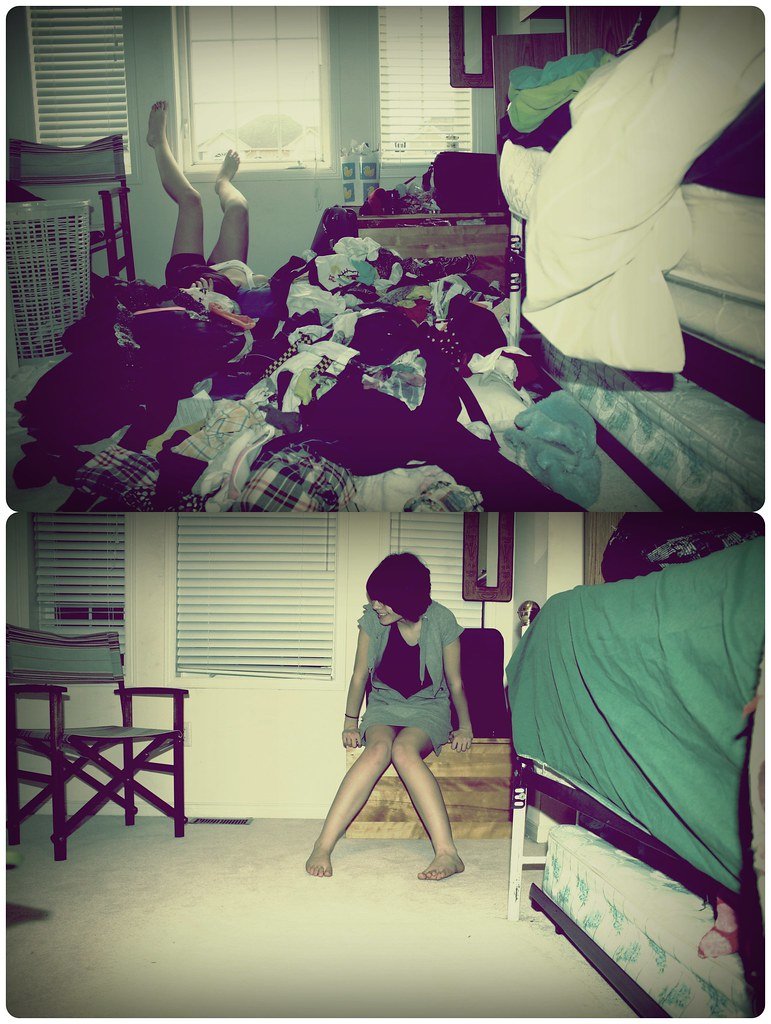
That pile of clothes on the chair, a drawer that won’t quite close, a desk covered in things with no fixed spot — clutter tends to be treated as just a cosmetic issue. But a disorganized environment has a real, measurable effect on how the mind processes the day.
Why clutter weighs more than it seems
The brain constantly processes what’s in your field of view, even without you consciously noticing. A space with a lot of items out of place requires a bit more “visual processing” all the time, which adds up over the course of a day.
Effects of disorganization day to day
– A sense of mental overload: cluttered spaces tend to create a constant feeling of unfinished tasks.
– More time lost looking for things: items with no fixed spot increase the time spent on simple tasks.
– Harder to relax in the space: it’s harder to unwind in a visually busy room.
– Stress that builds over the day: small, repeated visual annoyances add up over time.
These are general, commonly observed effects, not a clinical claim — everyone reacts to their environment differently.
Ways to cut the clutter
You don’t need to renovate the house or become a minimalist overnight. Giving each category of item a fixed spot — using simple storage bins — already cuts down a lot on that constant feeling of clutter, without major changes.
To keep exploring this subject, take a look at tap water.
Recommended product
Stackable Storage Bins Set — stackable, gives everything a fixed spot without using extra space.
Disclosure: this is our tracked Amazon affiliate link.
Want to actually fix this? Check out our full comparison: What’s the Best Robot Vacuum.
Feel that weight when your space is cluttered too? Share this with someone else living the same way.