
As an Amazon Associate, we earn from qualifying purchases. This post may contain affiliate links.
By Luis Gustavo. See how we research and review our content.
Few civilizations captivate us quite like Ancient Egypt — and every new excavation turns up more surprising details. Here are 5 real facts.
1. Ancient Egyptians used functional prosthetics
Archaeologists found a wooden-and-leather prosthetic big toe, over 3,000 years old, with wear patterns indicating real use — one of the earliest documented functional prosthetics.
2. The pyramids were built by paid workers, not just slaves
Archaeological findings in villages near the Giza pyramids show evidence of organized workers who were fed and even had access to medical care — challenging the popular idea that only slaves built the monuments.
3. History’s first known peace treaty is Egyptian
After the Battle of Kadesh, Egypt and the Hittite Empire signed one of the earliest documented peace treaties in history, around 1259 BCE — a copy of it is still displayed at the United Nations headquarters today.
4. Cleopatra lived closer in time to the invention of the smartphone than to the building of the pyramids
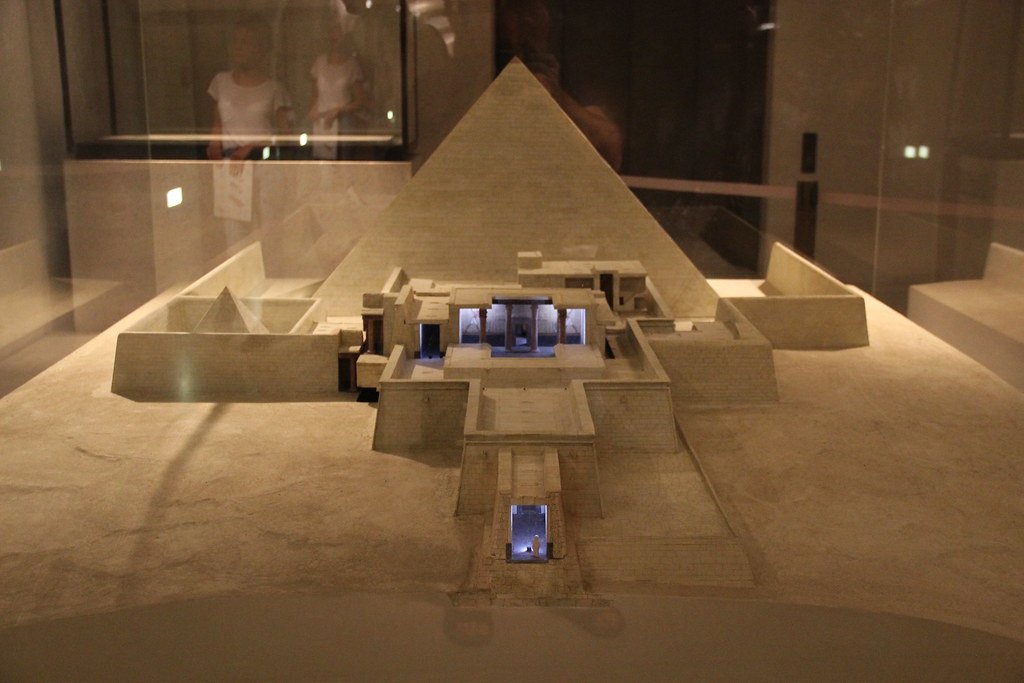
The Great Pyramid of Giza was built around 2560 BCE, while Cleopatra lived around 30 BCE — meaning more time separates the pyramids from Cleopatra than separates Cleopatra from us.
5. Hieroglyphs were only decoded thanks to a single stone
For centuries, no one could read Egyptian hieroglyphs. Decoding them only became possible thanks to the Rosetta Stone, found in 1799, which had the same text in three different scripts — allowing for “cross-translation.”
Other reads that fit this theme: facts about historical wars few people know and facts about kings and queens.
Want to dig deeper into this civilization?
Egypt, Greece, and Rome: Civilizations of the Ancient Mediterranean — a comprehensive look at mythology, history, and facts from the ancient Mediterranean world.
Disclosure: this is our tracked Amazon affiliate link.
Enjoyed these facts? Share them with a fellow ancient history enthusiast.