
As an Amazon Associate, we earn from qualifying purchases. This post may contain affiliate links.
By Luis Gustavo. See how we research and review our content.
Almost everyone has dealt with the uncomfortable feeling of dry, peeling, or even bleeding lips on very cold, very dry, or very windy days. The problem is often treated as trivial — “just put on some lip balm” — but the skin on the lips has features that make it far more vulnerable than the rest of the face, and a few everyday habits quietly make things worse without people connecting the dots. Understanding why lips crack so easily helps you pick a routine that actually fixes the problem, instead of just masking it for a few hours.
Why lips crack so easily
The skin on the lips doesn’t have the same protective layers as the rest of the face: it’s much thinner, has no sebaceous glands (the ones responsible for producing the natural oil that protects regular skin), and lacks the thick outer layer of keratin that ordinary skin has. That makes lips lose water to the surrounding air much faster, especially in cold, dry weather, strong wind, or rooms with air conditioning running for hours at a stretch, which lowers indoor humidity. Mouth breathing during sleep — whether from a stuffy nose, rhinitis, or just habit — also exposes the lips to hours of direct drying, since air keeps flowing over them instead of being filtered through the nostrils. Sun exposure without lip-specific protection is another relevant factor, since the thin skin in this area burns and dries out more easily than other parts of the face.
The role of saliva and the lip-licking habit
One of the most common mistakes is trying to relieve dryness by licking the lips repeatedly — it feels like it helps in the moment, but it makes things worse over time. Saliva evaporates very quickly off the surface of the lips, and that evaporation process pulls away whatever little moisture was still left in the skin, leaving it drier than before. Over time, this lick-and-evaporate cycle can even cause mild irritation around the mouth, similar to friction burn, which makes a person want to lick their lips even more — a vicious cycle that’s hard to notice without paying deliberate attention to the habit itself.
How chapped lips affect everyday life
Very dry lips tend to form small, visible cracks, especially at the corners of the mouth and across the center of the lower lip, which can hurt when smiling, talking, or chewing. Acidic or very salty foods — like tomato sauce, orange juice, or salty snacks — tend to cause an unpleasant sting on direct contact with cracked skin. In more intense cases there can be visible peeling and even light bleeding from the deeper cracks, leaving the area sensitive to the touch for several days. Beyond the physical discomfort, many people report feeling self-conscious about how peeling lips look, which reinforces the motivation to find a treatment that actually solves the problem instead of just covering it up.
Habits that slow down healing without you noticing
Besides licking the lips, a few common habits delay recovery without people linking one thing to the other. Picking at loose skin or peeling flakes with fingers or teeth is one of the most frequent — the skin underneath isn’t ready to come off yet, and pulling it manually reopens the wound, stretching out the healing process by days. Wearing matte lipstick without any hydration underneath also tends to make things worse, since that type of formula is usually more drying than traditional lipsticks. Switching lip balms too often, trying a new product every few days, also gets in the way, because the skin never gets enough time to adapt to and benefit from one consistent treatment.
How to actually hydrate and protect your lips
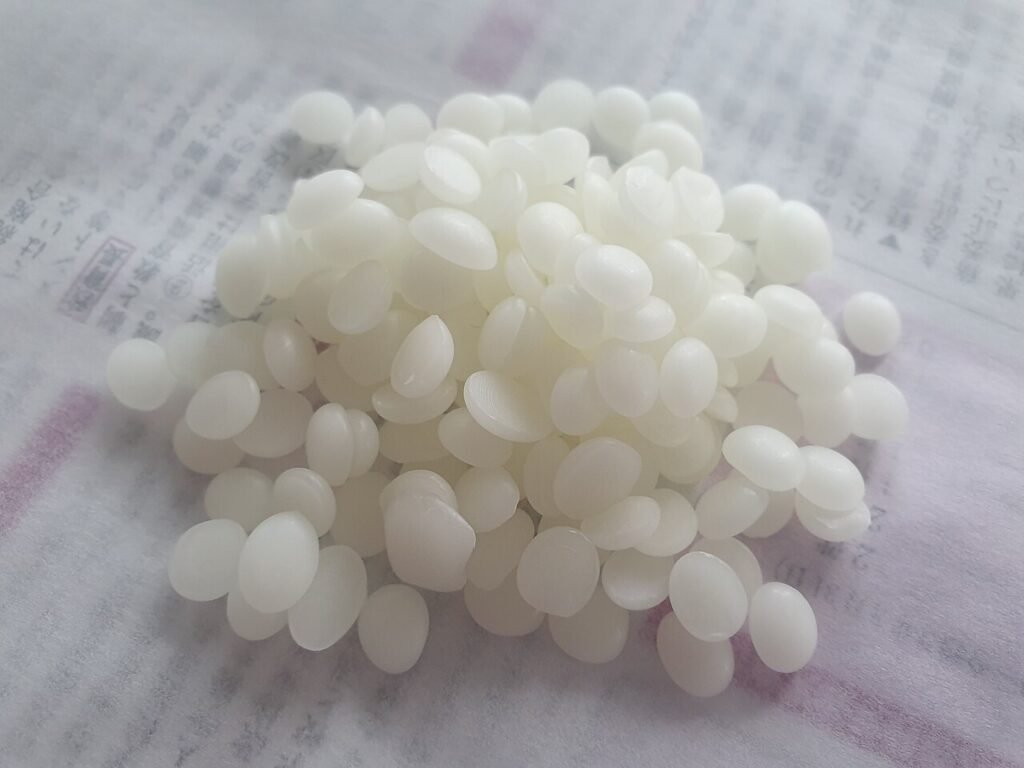
The first step is breaking the lip-licking cycle, replacing the gesture with applying a hydrating balm any time dryness sets in — even if it feels like extra effort at first, the habit forms fast. Occlusive ingredients, which form a protective layer over the skin and reduce water loss, tend to work better than purely scented formulas: petroleum jelly, shea butter, beeswax, and ceramides are among the most recommended. Using a lip balm with SPF also helps prevent dryness caused by direct sun exposure, especially during outdoor activities. Running a humidifier overnight in very dry bedrooms or rooms with air conditioning reduces moisture loss from the skin as a whole, including the lips, while you sleep.
Signs lip dryness has stopped being just cosmetic
In most cases, chapped lips improve within a few days of consistent hydration and cutting out the lip-licking habit. But it’s worth seeing a dermatologist if the cracks don’t heal after one to two weeks of consistent care, if there’s visible swelling, very intense redness around the mouth, or if the discomfort comes with pain that keeps getting worse — signs that something beyond ordinary dryness might be going on, which only a professional evaluation can safely identify. Anyone dealing with this kind of dryness might also like our articles on dry skin and dry, cracked heels, two skin problems with very similar causes and solutions.
Recommended products
Repair Lip Balm with Shea Butter and SPF — combines occlusive hydration with sun protection, helping break the dryness cycle without needing to swap products throughout the day.
Overnight Lip Sleeping Mask — a thicker overnight treatment that gives the skin hours of uninterrupted hydration while you sleep, when licking isn’t undoing the effort.
Disclosure: this is our tracked affiliate link.
Do you deal with chapped lips during certain times of year? Share this article with someone else who struggles with it too.