
As an Amazon Associate, we earn from qualifying purchases. This post may contain affiliate links.
By Luis Gustavo. See how we research and review our content.
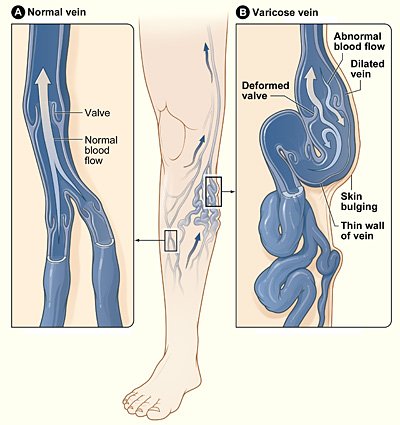
You’ve likely noticed — or felt in your own legs — those bluish, twisted, bulging veins that become more visible after a long day spent standing or sitting. Varicose veins are enlarged, twisted veins, usually found in the legs, that develop when small one-way valves inside the vein, whose job is to push blood back up toward the heart, stop closing properly. Once those valves weaken, some blood slips backward instead of continuing upward, pools inside the vein, and stretches its wall until it becomes visible under the skin. It’s an extremely common condition among adults, especially as people get older, and while many people treat it as a purely cosmetic annoyance, it’s worth understanding what’s actually happening underneath before deciding what to do about it.
Why varicose veins form: the role of vein valves and other risk factors
Leg veins have a demanding job: carrying blood back to the heart against gravity, using a series of one-way valves that snap shut after each push to keep blood from sliding back down. When those valves weaken or become damaged — through wear, excess pressure, or genetic factors — blood starts pooling inside the vein instead of moving upward, and that pooling is what stretches the vein wall and forms a varicose vein. Standing or sitting still for long stretches is one of the most common triggers, since it reduces how effectively the calf muscle pump — which normally helps push blood upward — can do its job. Pregnancy is another major factor: increased blood volume combined with pressure from the uterus on pelvic veins puts extra strain on leg circulation, which is why varicose veins often appear or worsen during that period. A family history of varicose veins, aging (which naturally weakens vein walls over time), obesity, and hormonal shifts also add to the list of factors that raise the risk.
Heavy legs, swelling, and other ways varicose veins show up day to day
For a lot of people, the first sign of varicose veins isn’t visual at all — it’s a heavy, tired feeling in the legs by the end of the day, as if they’ve been carrying extra weight the whole time. That heaviness tends to get worse on hot days or after long periods of standing, and often eases once the legs are propped up for a while. Swelling around the ankles can also become more noticeable at night, reflecting how hard it is for circulation to drain the extra fluid that built up during the day. Near the more visibly dilated veins, some people notice itching or skin irritation, a discomfort that can contribute to scratching the area and, over time, irritating the skin without quite realizing it. There’s an emotional side too: plenty of people avoid shorts, dresses, or the beach out of self-consciousness about how the veins look, which affects daily life well beyond the physical discomfort. In more advanced cases, darkened skin can appear around the ankle — a sign that it’s worth talking to a professional. This information is for general awareness only and isn’t a substitute for an individual medical evaluation.
Common myths about varicose veins worth clearing up
There’s a lot of shaky information floating around on this topic. One common myth is that varicose veins only affect women — they do show up more often in women, likely due to hormonal influence, but men develop varicose veins too, especially as they get older. Another misconception is treating the condition as purely cosmetic: while the visual concern is real, varicose veins can also contribute to physical discomfort, as covered above, and in some cases deserve medical follow-up. Many people also confuse varicose veins with the small red or purple “spider veins” (telangiectasias) that appear on the skin’s surface — spider veins tend to be smaller, shallower, and mostly cosmetic, while varicose veins are larger, deeper, and directly tied to valve dysfunction. There’s also a belief that crossing your legs or cracking your toes directly causes varicose veins — there’s no solid evidence for that specifically, though staying in the same position for long stretches, crossed legs or not, genuinely does hurt leg circulation over time.
Anyone who spends most of the day sitting, whether for work or out of habit, tends to notice this kind of circulation discomfort too — our article on sedentary lifestyle covers how a lack of movement affects the body well beyond the legs.
What helps ease the leg discomfort that comes with varicose veins
Small routine changes can help ease the heaviness and swelling in the legs throughout the day, even without making the varicose veins themselves disappear. Elevating the legs above heart level for fifteen or twenty minutes, a few times a day, helps gravity assist blood flow back up. Avoiding long stretches of standing still or sitting still also makes a difference: short breaks to walk around, or simply flexing the ankles, activate the calf muscle pump and support leg circulation. In that context, compression socks play an interesting role as a daily supportive habit: they apply graduated pressure, firmer at the ankle and lighter toward the knee, which can help support blood flow back up and reduce that heavy feeling by the end of the day. It’s worth being clear that compression socks don’t treat or reverse varicose veins that have already formed — they function as support for everyday comfort, not as a replacement for medical evaluation. If varicose veins come with persistent pain, swelling that doesn’t improve, changes in skin color, or bleeding, the right move is to see a doctor or a circulation specialist (a vascular surgeon or phlebologist) for a proper evaluation.
Anyone who also deals with muscle pain or tightness in the legs may find our piece on muscle cramps useful too, since some of the habits that make one problem worse tend to make the other worse as well.
Recommended Products
Compression Socks for Varicose Veins — built for daily wear, can help support leg circulation and ease that heavy feeling by the end of the day.
Leg Elevation Pillow Wedge — makes it easier to keep the legs propped above heart level while resting, without needing to stack up regular pillows.
Disclosure: this is our tracked affiliate link.
Do your legs tend to feel heavier by the end of the day? Save this article and start with small routine changes before reaching for anything else.