
As an Amazon Associate, we earn from qualifying purchases. This post may contain affiliate links.
Treated water that reaches your home goes through important disinfection processes, including chlorine, to make sure it’s safe to drink. What few people think about is the repeated effect that has on skin and hair, especially for those who take longer showers or live in areas with “harder” water.
Why tap water contains chlorine
Chlorine is used in water treatment specifically to eliminate microorganisms and make water safe to drink. It’s essential for public health — the point here isn’t to avoid treated water, but to understand the cumulative effect of direct, repeated contact with skin and hair.
Possible effects of repeated contact
– Drier skin: chlorine can strip some of the skin’s natural oils during a shower.
– Duller hair: repeated exposure to chlorinated water tends to leave hair less shiny over time.
– More sensitive scalp: some people notice more itching or mild irritation on the scalp.
– A “tight” feeling on the skin: common right after showering, especially for those who already have drier skin.
These effects vary a lot from person to person and depend on local water quality — this isn’t a medical claim, just a commonly observed effect.
How to reduce contact with chlorine and impurities
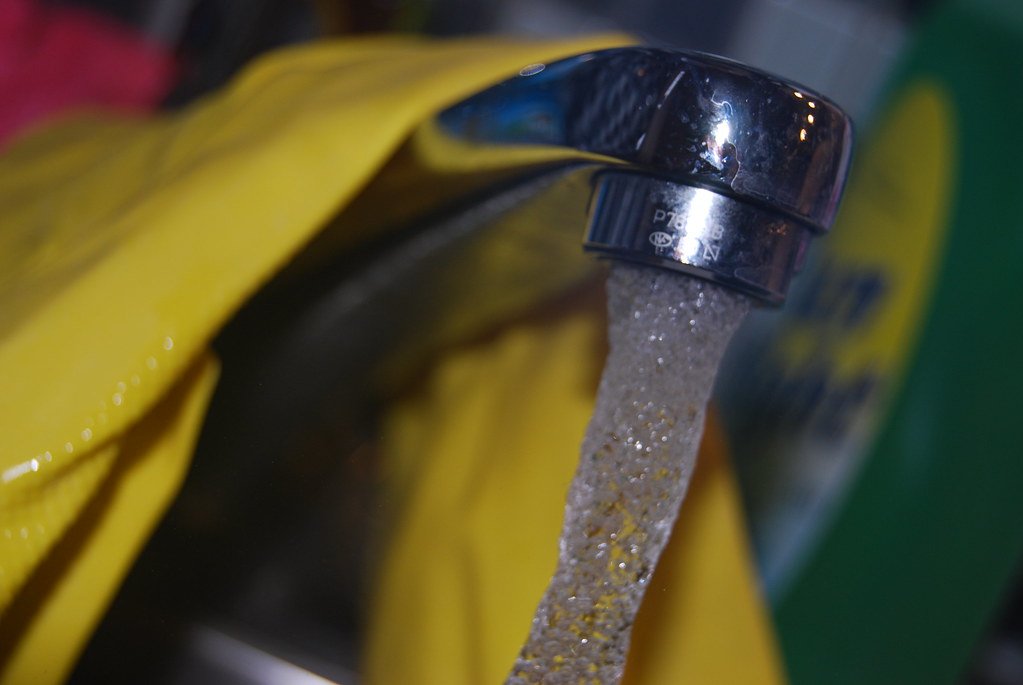
Installing a filter on your shower or sink faucet is a simple way to reduce the amount of chlorine and other impurities in direct contact with your skin and hair, without any renovation needed.
Recommended product
Faucet Water Filter — reduces chlorine and impurities in water, easy to install with no plumbing work.
Disclosure: this is our tracked Amazon affiliate link.
Ever noticed this effect on your hair or skin? Share it with someone who also lives in a hard-water area.